
Thermotec-Eco S.A. is implementing an investment project to build a new-generation gas power plant in Poland. RDF waste is converted into syngas and stable profits.
Electric Capacity
Thermal Capacity
Projected IRR
Thermotec-Eco S.A. is implementing an investment project to build a new-generation power plant in Czerwionka-Leszczyny, Poland.
The project is in line with EU circular economy strategies and meets the demand for decentralized energy.
Equity participation in a joint-stock company with legal protection and share buyback is offered.
THERMOTEC-ECO S.A. is implementing an investment project to build a highly efficient next-generation gas power plant in Czerwionka-Leszczyny, Silesian Voivodeship, Poland.
The project is based on the energy processing of RDF waste, followed by the production of syngas, electricity, and heat. The project meets modern European requirements in the areas of circular economy, industrial decarbonization, and sustainable waste management.
The investment model allows for equity participation by investors through the acquisition of shares in THERMOTEC-ECO S.A., a joint-stock company, with legally established capital protection mechanisms and subsequent share buybacks.
The project is aimed at creating a long-term infrastructure asset with predictable profitability, a sustainable business model, and high development potential amid growing demand for decentralized energy and modern waste management solutions in the European Union.
The company is registered as a joint stock company (S.A.) under Polish law.
Investors receive shares in exchange for capital investment.
Obligation to buy back shares at a fixed price.
Participation is documented and legally secured.
Full legal documentation available upon request.
The project is being implemented through the Polish joint-stock company THERMOTEC-ECO S.A., registered under the laws of the Republic of Poland and operating within the framework of European corporate and investment law.
The investment model envisions raising capital through the acquisition of company shares by investors, with official documentation of participation and securing ownership rights to a stake in the project.
To enhance investment security, a share buyback mechanism is provided after 5 years, using a pre-determined valuation formula reflected in the investment documentation.
Upon request, investors are provided with a full package of legal, corporate, and technical documentation, including the project structure, financial model, permits, and terms of investment participation.
The funding model is designed with the potential for additional funding from European support programs for green energy and waste recycling projects in mind.
The land plot for construction has already been allocated
Preliminary contracts for the sale of electricity and heat have been signed
All permitting and technical documentation is in preparation
The construction period will be approximately 12 Months
Full project launch – approximately 15 months from funding date
The THERMOTEC-ECO S.A. project is in the practical implementation phase and includes the full cycle of preparing an energy infrastructure facility – from developing a land and permitting base to commissioning the plant.
The project is being implemented in accordance with modern European standards in industrial safety, environmental regulation, and energy efficiency.
The project management structure provides for phased implementation monitoring, transparent use of investment funds, and a subsequent transition to stable operations with projected cash flows.
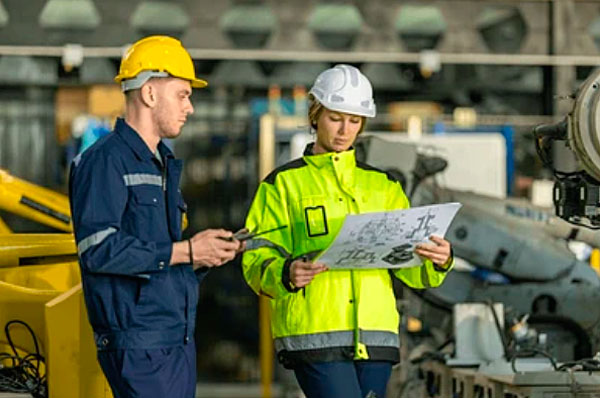
Creation of over 40 permanent jobs;
Employment of up to 100 specialists and contractors during the construction phase;
The project also contributes to increasing the region's investment attractiveness and the development of environmentally friendly industry.
Project Cost excluding VAT
Project Cost including VAT
IRR
NPV
Project payback period
Profitability index
Thermotec-eco S.A. Project The project has a sustainable financial and economic model,
based on long-term demand for RDF waste processing, electricity and heat generation,
as well as the potential to leverage government and European green energy support programs.
An additional factor enhancing investment efficiency is the potential for partial capital expenditure compensation through existing green energy and sustainable development project support programs in Poland. The potential compensation amount could be approximately 50-80% of individual capital expenditures, depending on the terms of existing financing programs.
The project's economic structure combines infrastructure sustainability, a long-term production cycle, and growing market demand for waste-to-energy solutions, which forms the basis for projected operating profitability and future project scalability.
Invest in a real infrastructure asset with legal protection and predictable returns.